Nest cameras can now describe sounds they can't see and Google Wallet can hold your house key, and we're glad only 1 of Google's 3 big upgrades needs a subscription

By Owen Pratt , Staff Writer, Home Security & Smart Home
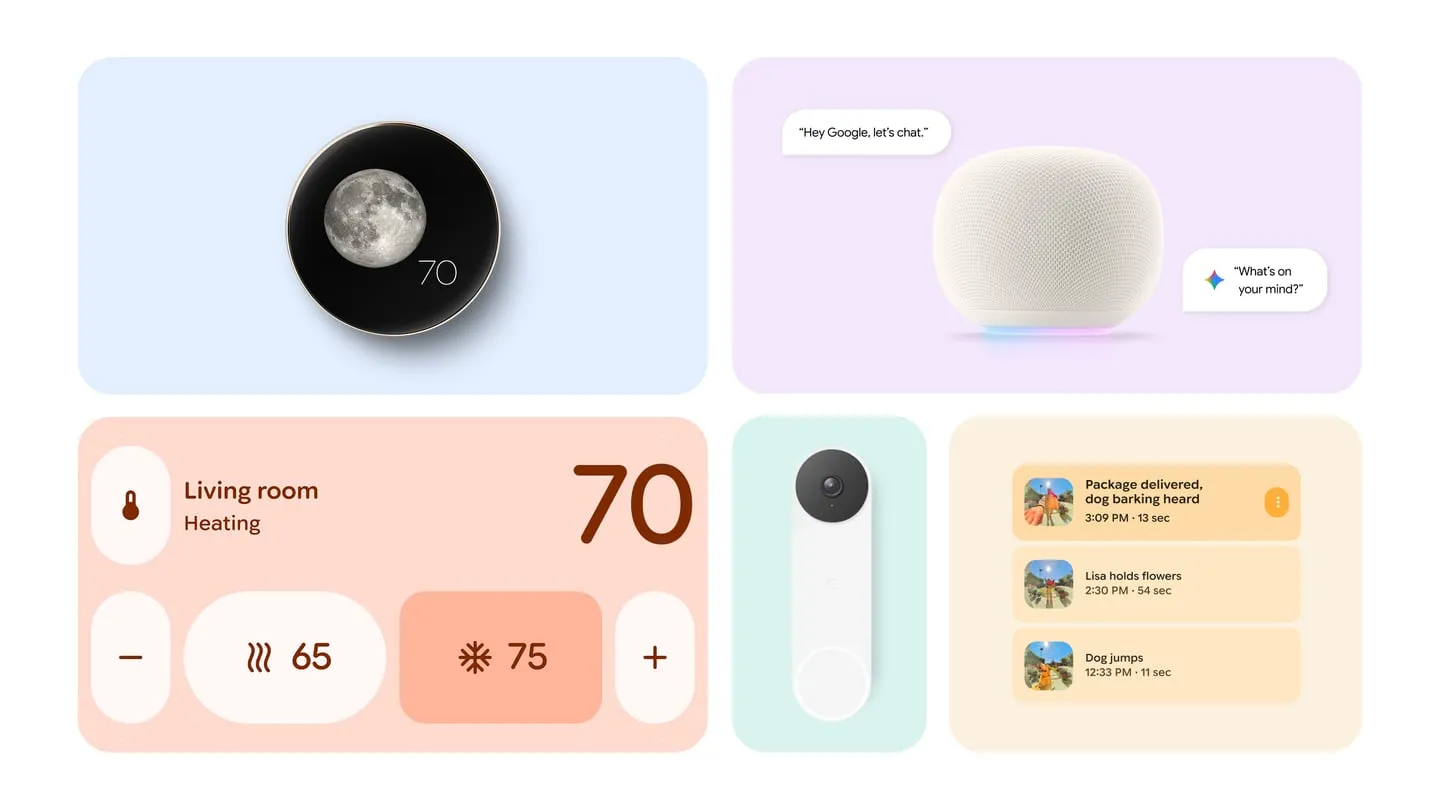
Google’s fall update for Google Home, published November 17, changes three things a shopper should care about. Nest cameras and doorbells can now mention sounds in their event descriptions, Android phones can hold a digital house key in Google Wallet, and the 4th gen Nest Learning Thermostat starts working with other brands’ room sensors in December. Google laid it out in a post on its own blog and a longer community announcement. Of the three, only the camera feature needs a paid plan in Google’s fine print, which is a pleasant break from the usual direction of travel.
Cameras that describe what they heard
Nest cameras and doorbells already write short descriptions of what they recorded. Those descriptions can now include detected audio, and Google’s examples are a dog barking, glass breaking, footsteps and a siren, even when the sound came from just out of frame. You can find those moments later by putting a question to Ask Home.
Google says the feature requires the Advanced plan of Google Home Premium (the step up from the Standard plan), with the camera’s microphone and audio recording switched on. It also needs an initial trigger such as motion, a person or a package, so a camera will not wake up for a noise alone. And it covers specific non-verbal sounds only, which means speech is not on the list.
A house key in Google Wallet, on Android only
Home keys in Google Wallet unlock compatible smart locks from your phone, even when the phone itself is locked. They work with locks that support Matter (a shared standard that lets smart home devices from different brands work together) or Aliro (a newer shared standard for phones that act as door keys).
You can tap the phone against the lock using NFC, the same short-range radio behind tap-to-pay, which needs a phone running Android 9 or newer. Or the door can unlock as you walk up, using Ultra Wideband (UWB), a radio that lets the lock judge how close the phone is. That hands-free method needs a UWB lock and a UWB phone, and Google names the Pixel 10 Pro, Pixel 11 Pro and select Samsung Galaxy phones.
There are two catches. iPhone households are left out entirely. And Google’s release notes label the feature a Public Preview, so expect a staggered rollout.
The Nest thermostat finally accepts other brands’ sensors
Starting in December, the Nest Learning Thermostat (4th gen) will pair directly with compatible Matter temperature sensors from brands like IKEA, Eve and Aqara. Until now it was limited to Google’s own sensors. You can then see live room readings in the Google Home app, average the temperature across rooms, and choose which sensor takes priority by time of day. The bedroom can run the show at night and the home office can take over at 9 a.m.
This one is for the 4th gen model only. Nest thermostat owners in the US and Canada also get estimated dollar savings in the app from December. Nest thermostats also now warn you about possible trouble with a heat pump or air conditioning compressor, and the release notes say that covers every model except the 1st and 2nd gen Nest Learning Thermostat.
Should you buy anything differently?
If you already own a Nest camera or doorbell, do nothing. Sound descriptions are a nice extra on the Advanced plan, but we wouldn’t upgrade a subscription for barking-dog captions alone.
Smart lock shoppers with an Android phone have the most to think about. A lock with Aliro support is the kind that can put its key in Google Wallet, and you need UWB on both the lock and the phone for the walk-up trick. Rental hosts have different priorities, such as guest codes that expire by themselves, and we cover those in our guide to the best smart lock for Airbnb.
Thermostat shoppers with one stubbornly cold room now have a better reason to pick the 4th gen Nest Learning Thermostat, because the sensor choice just got wider. Hold off on buying sensors until December, though, and confirm the exact model is supported. The word “compatible” is doing a lot of work in Google’s announcement.
A thermostat that welcomes a rival’s sensor, with no monthly fee attached, is the kind of update we’d like to see more often.
Shopping for this? Start here
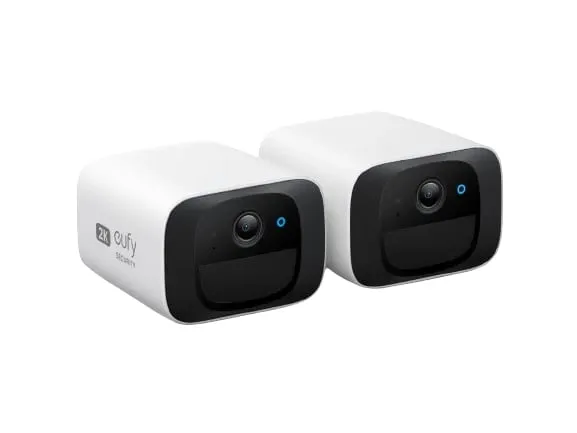
Best security camera without subscription in 2026: six picks that never send you a monthly bill
A cheap camera with a monthly plan is a rental. These six record to a card, a hub, or a recorder you own, and the fine print holds up.
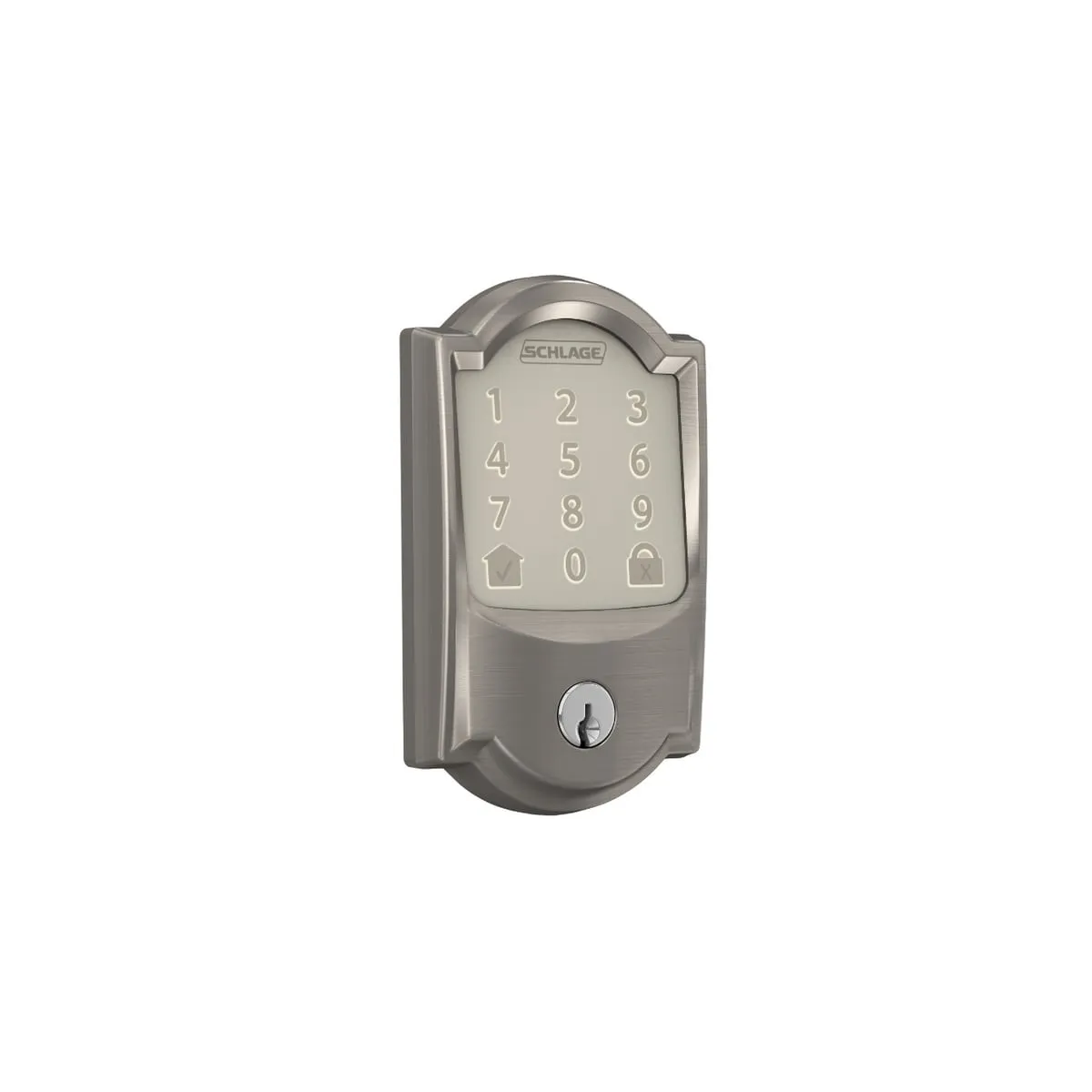
Best smart lock for Airbnb in 2026: six picks that hand out the door codes so you can stop driving over
Your guests change every three days and you are 40 miles away. These are the locks built for that arrangement.
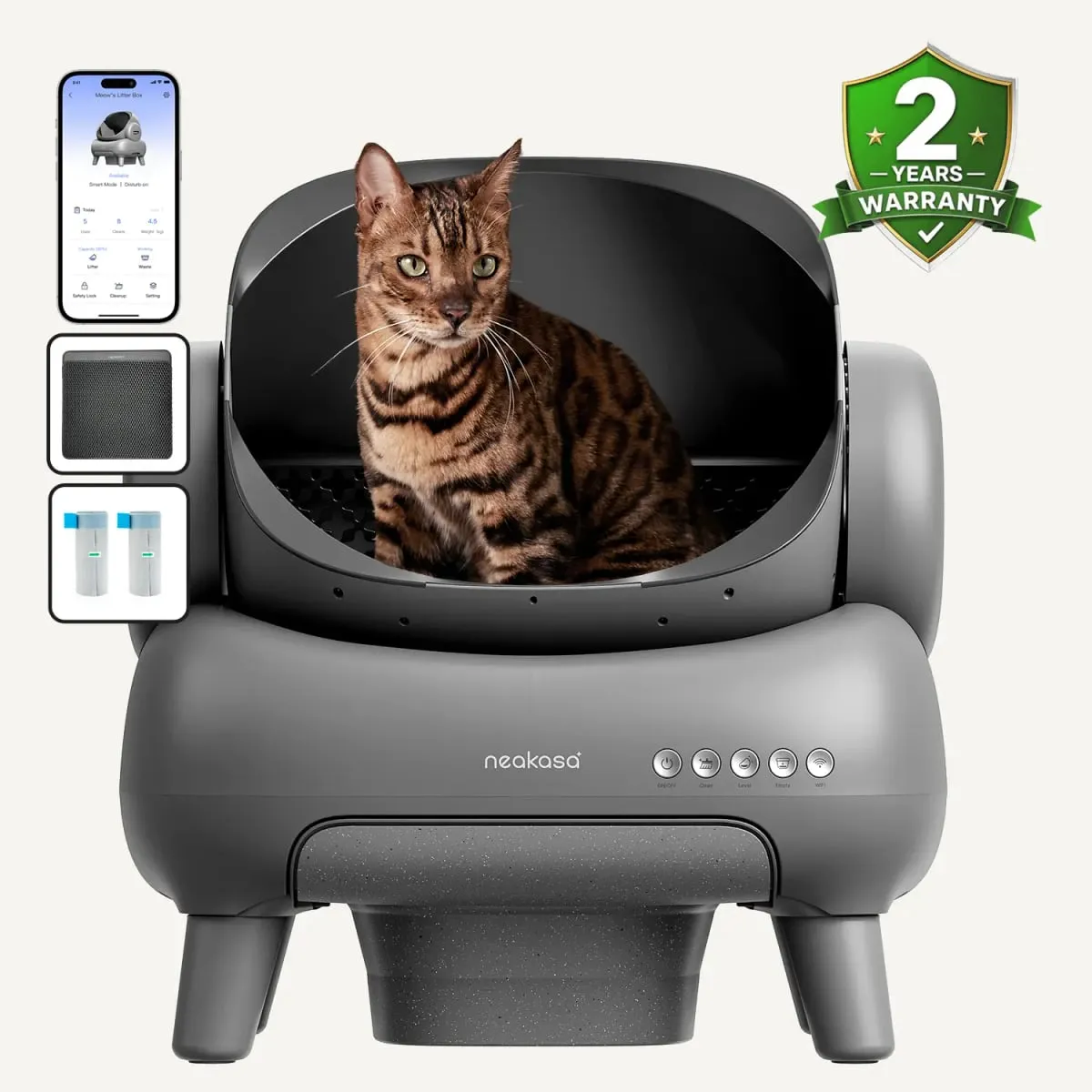
Best automatic litter box for multiple cats in 2026: five picks with documented safety features, and the waste math done for two to four cats
Every two-week promise on the box was written for one cat. Here is what the drawer math, the entry size, and the safety sensors look like when the whole clowder shares.